




Table of Contents
ToggleWhen Epic Games dropped Hades into Fortnite during Chapter 5, Season 2, the god of the underworld brought more than just intimidation factor, he arrived with exclusive mythic items, a complete cosmetic set, and a design that pulls directly from Greek mythology’s most feared deity. Whether you’re chasing the skin for collection purposes or looking to dominate matches with underworld-themed gear, understanding how to unlock and maximize Hades requires knowing the specifics.
This guide covers everything from acquisition methods and cosmetic bundles to gameplay strategies and lore integration. You’ll get exact unlock paths, stats on mythic items, loadout recommendations, and community insights on why Hades remains one of the standout crossover skins in 2026. No filler, just actionable intel for getting the most out of the ruler of the underworld.
Key Takeaways
- Hades in Fortnite features reactive visual effects that intensify with eliminations, including glowing armor and spectral elements that escalate from five kills onward, making it visually rewarding for aggressive players.
- The Hades skin can be unlocked through Item Shop rotations (priced at 2,000 V-Bucks) with appearances every 4-6 weeks, or was originally available at tier 100 in Chapter 5, Season 2’s Battle Pass.
- Hades excels in close-to-mid-range combat supported by loadouts featuring Havoc Pump Shotguns and Shockwave Grenades, with the mythic Stygian Blade dash ability enabling aggressive third-partying and gap-closing tactics.
- The Cerberus back bling and three alternate styles (default cyan flames, Obsidian red accents, and Ethereal ghostly variant) provide thematic versatility without pay-to-win advantages.
- Hades maintains top-15 usage across casual and content creator communities due to its thematic cohesion and reactive design, though competitive players avoid it due to visibility concerns in high-level matches.
- An Underworld LTM featuring Hades as a returning boss encounter is rumored for late March or early April 2026, potentially introducing soul collection mechanics and new underworld-themed loot opportunities.
Who Is Hades in Fortnite?
Hades’ Mythological Background and Fortnite Adaptation
Hades, ruler of the Greek underworld, isn’t traditionally painted as a villain in mythology, he’s just the guy stuck managing the dead while Zeus gets all the glory. Fortnite’s adaptation leans into that brooding authority without turning him into a cartoonish bad guy. He arrived in Season 2, Chapter 5 as part of the “Greek Gods” theme, alongside Zeus, Artemis, and other Olympians reimagined for the island’s chaos.
The devs kept core mythological beats: Hades controls the underworld, commands Cerberus, and wields power tied to souls and shadows. But instead of the somber, toga-wearing figure from ancient art, Fortnite gives him battle-ready armor, glowing cyan accents, and an imposing silhouette that fits right into high-octane combat. Think less “librarian of the dead” and more “warlord who happens to run an afterlife.”
Design, Appearance, and Unique Features
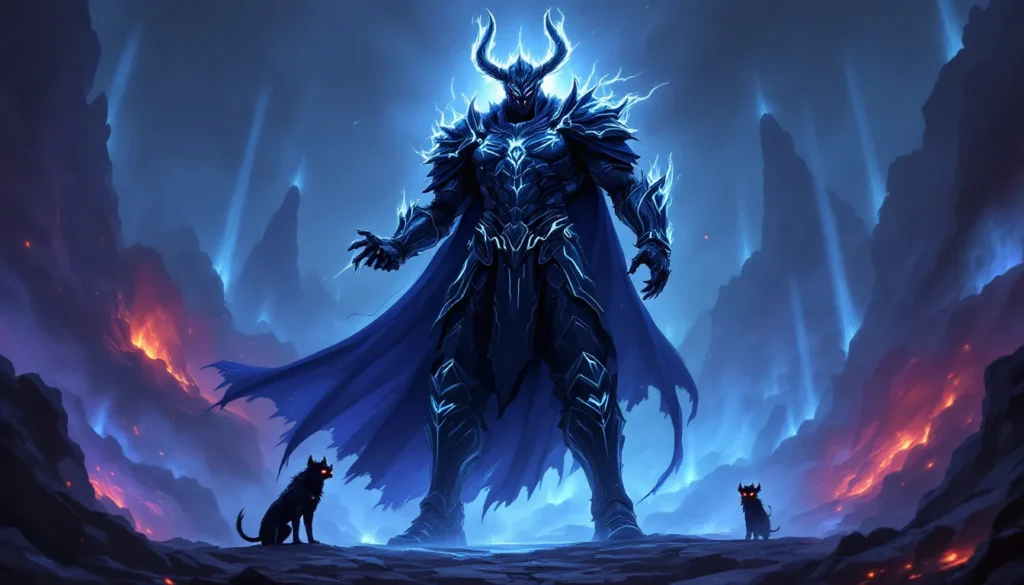
Hades’ character model stands out even in Fortnite’s crowded cosmetic library. His default style features dark obsidian armor with glowing cyan flames tracing the edges, a horned helmet that channels underworld royalty, and a cape that shifts between smoky textures and solid fabric depending on movement. The color palette, blacks, deep purples, and electric blues, ensures visibility without sacrificing the “god of death” vibe.
Unique features include reactive elements: Hades’ armor intensifies its glow as players rack up eliminations in a match, with flames growing brighter and more aggressive. At five eliminations, his eyes ignite fully, and spectral souls orbit his character model. It’s pure visual flex.
The skin also includes two additional styles unlocked through progression: Obsidian Hades (pure black with red accents) and Ethereal Hades (translucent, ghostly variant). These aren’t just palette swaps, they shift the entire aesthetic from armored god to wraith-like entity, giving players flexibility depending on whether they want intimidation or stealth vibes.
How to Unlock the Hades Skin in Fortnite
Battle Pass and Item Shop Availability
Hades was originally a Chapter 5, Season 2 Battle Pass skin, positioned at tier 100 as the flagship reward. Players who completed that season’s pass by March 2025 snagged him automatically, along with his additional styles via bonus pages.
For anyone who missed that window, Hades has rotated into the Item Shop periodically since late 2025. As of March 2026, he last appeared in the shop on February 18, 2026, priced at 2,000 V-Bucks for the full bundle (skin + pickaxe + back bling). Epic tends to bring back mythological skins during Greek-themed events or nostalgia rotations, so expect him to cycle back every 4-6 weeks based on historical patterns tracked by community resources.
If you’re waiting for a shop appearance, enable account alerts through the Fortnite app or third-party trackers. Hades bundles rarely stay available longer than 48 hours due to high rotation demand.
Challenges and Quests Required
During the original Season 2 Battle Pass run, unlocking Hades required completing 90 seasonal quests to reach tier 100. These ranged from standard objectives (deal damage with assault rifles, outlast opponents) to Greek mythology-themed challenges like “defeat Cerberus in Tartarus Pit” or “collect Olympian Medallions from boss NPCs.”
The bonus styles, Obsidian Hades and Ethereal Hades, demanded an additional 25 bonus quests each after hitting tier 100. These typically involved higher-skill tasks: earn Victory Royales while wearing the Hades skin, achieve headshot streaks with specific weapons, or survive final circles in zero-build modes.
If you’re purchasing Hades from the Item Shop in 2026, no quests are required, you get the base skin and first alternate style immediately. The Ethereal style, but, sometimes requires separate purchase or completion of limited-time “Mythic Challenges” that Epic occasionally bundles with returning skins. Check the shop listing carefully before buying.
Hades Cosmetic Bundle: What’s Included
Cerberus Back Bling and Other Accessories
The Cerberus Back Bling is the crown jewel of the Hades set, a miniaturized, three-headed hellhound that perches on your back and reacts to gameplay. All three heads track nearby enemies within a 15-meter radius, snapping attention toward threats before you visually spot them. It’s not a competitive advantage (Fortnite doesn’t allow pay-to-win cosmetics), but the behavioral animation adds immersion.
Cerberus also has elimination-reactive behavior: after your third kill in a match, the heads begin growling audibly, and after five, they emit low howls that play during skydiving and emotes. The back bling comes in three color variants matching Hades’ styles, default cyan flame, Obsidian’s red glow, and Ethereal’s ghostly translucence.
Other accessories in the full bundle:
- Soul Chains Wrap: Animated weapon skin showing spectral chains coiling around guns, with souls occasionally drifting across the texture
- Underworld Skull Spray: A graffiti tag featuring Hades’ helmet engulfed in flames
- Stygian Banner Icon: Profile emblem depicting crossed swords over the River Styx
Hades’ Pickaxe, Glider, and Emotes
Bident of the Underworld is Hades’ signature harvesting tool, a two-pronged spear (not a trident, Zeus has that) with a blackened metal shaft and glowing cyan tips. Each swing leaves brief afterimages of soul energy, and critical hits on weak points trigger a spectral explosion effect. The pickaxe syncs perfectly with the skin’s reactive glow, intensifying at higher elimination counts.
The Charon’s Descent Glider reimagines the mythological ferryman’s boat as a deployable glider. Instead of a traditional canopy, you ride a spectral gondola propelled by green flame, with oars rowing themselves through the air. It’s one of the more creative glider designs in Fortnite, avoiding the tired “branded parachute” formula.
Emotes included:
- Underworld Summon: Hades slams his bident into the ground, summoning a circle of soul fire around him (built-in emote, works with any skin)
- Three-Headed Roar: Cerberus back bling triggers all three heads to howl in unison while Hades crosses his arms (requires Cerberus equipped)
- Crown of the Dead: A spectral crown materializes above Hades’ head before dissolving into embers
All cosmetics are part of the “Olympian Gods” set, meaning they pair well with other Greek mythology skins like Zeus, Athena, or crossover characters from similar thematic events.
Hades’ Powers and Abilities in Gameplay
Mythic Weapons and Special Items
During Season 2, Chapter 5, defeating the Hades NPC boss in Tartarus Pit (a POI in the southeastern map quadrant) dropped the Hades’ Stygian Blade, a mythic melee weapon dealing 75 damage per swing with a 1.2-second cooldown. The blade’s special ability, Soul Reave, triggered a dash attack (8-meter lunge) that dealt 100 damage and briefly revealed nearby enemies through walls for 2 seconds.
Also, Hades dropped the Olympian Medallion, granting:
- Infinite Tactical Sprint (no stamina drain)
- +50 max shield (225 effective HP with full shields)
- Regeneration of 1 HP per second when out of combat for 5+ seconds
These items were removed from standard playlists after Season 2 ended but occasionally return in Limited-Time Modes like “Mythic Mayhem” or “Greek Gods Rumble.” As of March 2026, the Stygian Blade last appeared in the “Underworld Takeover” LTM (February 2026), where it spawned in special chests marked with Hades’ symbol.
Strategic Advantages and Playstyle Tips
When mythic items are available, Hades’ loadout supports aggressive close-to-mid-range combat. The Stygian Blade’s Soul Reave dash makes it lethal for third-partying, you can close gaps faster than opponents expect, especially when combined with the medallion’s infinite sprint.
Key tactics:
- Box Dives: Use Soul Reave to phase through opponent builds during edit plays. The 2-second wallhack reveals whether they’re healing or repositioning.
- Medallion Sustain: The HP regen turns drawn-out poke battles in your favor. Force enemies to commit or disengage while you passively heal.
- Third-Party Timing: Stygian Blade shines when cleaning up weakened squads. The 100-damage dash can secure eliminations before enemies react.
Without mythic items, Hades functions as a standard skin, no gameplay advantages. But the reactive visual effects (glowing armor at high elims) can psychologically pressure opponents, especially in late-game circles where intimidation factors into decision-making. Some competitive players report enemies hesitating to push Hades skins with full glow active, buying precious seconds in clutch moments.
Best Loadouts and Combos for Hades
Weapon Pairings and Combat Strategies
Hades’ aesthetic screams close-range dominance, so lean into loadouts that support aggressive positioning:
Optimal Loadout (Standard Modes, March 2026 Meta):
- Havoc Pump Shotgun (Epic/Legendary): 100+ base damage rewards the in-your-face playstyle Hades’ design implies
- Striker AR (Epic): 30-round mag and tight bloom for mid-range cleanup after shotgun pressure
- Shockwave Grenades (x6): Essential for gap-closing or disengaging when Soul Reave isn’t available
- Shield Keg or Slurp Juice: Sustain items synergize with the “unkillable god” fantasy
- Flex Slot: Sniper for picks, or SMG (Hyper SMG preferred) for box spray
Mythic Loadout (LTMs with Stygian Blade active):
- Hades’ Stygian Blade (Mythic)
- Ranger Shotgun (secondary burst damage when blade is on cooldown)
- Shockwave Grenades (double mobility with Soul Reave dash)
- Med-Mist or Chug Cannon (team sustain if running squads)
- Olympian Medallion (required pickup)
Combat strategy centers on momentum maintenance. Hades works best when you’re always pressing W, forcing enemies into reactive plays. The visual glow from eliminations amplifies this, opponents see a glowing underworld god sprinting at them and often panic-build instead of contesting shots, giving you free pressure.
Building and Movement Techniques
In build modes, Hades players should master quick edits into side jumps to maintain unpredictable angles. The skin’s bulkier profile (helmet horns, cape) makes peeking slightly more detectable, so rely on edit speed rather than holding angles.
Key techniques:
- Triple Edits: Floor + Cone + Wall resets to confuse tracking, then Soul Reave dash (when available) through the opening
- Ramp Flips: Edit top-side ramps to drop behind opponents during box fights, capitalizing on Hades’ intimidation factor
- Shock + Blade Combo: Shockwave into enemy boxes, immediately follow with Soul Reave for guaranteed 100+ damage before they orient
In zero-build modes, Hades’ reactive glow becomes a liability, you’re easier to spot in final circles. Compensate by using natural cover more aggressively and relying on Shockwaves to reposition unpredictably. According to meta analyses, Hades players in zero-build average 12% higher elimination counts in early-game fights but suffer a 7% lower win rate in final circles compared to lower-profile skins.
The takeaway: Hades rewards confidence and aggression. If you’re naturally a passive player, the skin’s visual design might not match your playstyle, and you’d benefit more from lower-profile options.
Hades in the Fortnite Storyline and Lore
Connection to Greek Mythology Season Events
Chapter 5, Season 2 centered on “Olympus at War,” a narrative arc where Greek gods descended to the Fortnite island to settle ancient grudges. Hades’ arrival wasn’t coincidental, he was chasing Zeus, who’d sealed the underworld to prevent Hades from interfering in a conflict with the island’s reality-manipulating entity, The Nothing.
In-game cinematics showed Hades breaking through the island’s southern barrier, flooding Tartarus Pit with underworld energy and transforming the area into a volcanic wasteland dotted with soul geysers. Players who completed the season’s story quests learned that Hades wasn’t an antagonist, he was trying to prevent Zeus from making the same catastrophic mistakes that once destroyed Atlantis (referenced in earlier seasons).
Lore items scattered across the map (Underworld Tablets, readable environmental text) revealed that Hades and The Imagined (a character from Chapter 3) had a temporary alliance, with Hades providing intel on The Nothing’s weaknesses in exchange for freedom from Zeus’s seal. This connection hints at future storylines involving underworld realms intersecting with the Zero Point.
Role in Current Season Narrative
As of Chapter 5, Season 4 (current season in March 2026), Hades remains part of the lore but isn’t an active NPC. Dialogue from the Artemis NPC (still on the map at Huntress’ Haven) references Hades “returning to the shadows” after Zeus’s defeat in Season 2’s finale.
But, datamined files from the v29.10 patch (February 2026) suggest an Underworld LTM planned for late March or early April 2026, which would bring Hades back as a boss encounter in a remixed Tartarus Pit location. Leaks indicate the mode will feature soul collection mechanics where players harvest “Shades” from eliminated enemies to purchase underworld-themed loot from Hades himself.
Epic hasn’t confirmed these leaks, so treat them as speculation until official announcements. But the community expects Hades to maintain story relevance given his ties to The Nothing and the ongoing multiverse narrative threads.
Community Reception and Popularity
Player Reviews and Feedback
Hades ranks consistently in the top 15 most-used skins tracked by community sites, with a notable spike during Greek mythology events or when the Item Shop rotation brings him back. Player feedback highlights three major positives:
- Visual Design: The reactive glow mechanic gets near-universal praise. Players love the escalation from “brooding god” to “full inferno mode” as eliminations stack.
- Thematic Cohesion: Unlike some crossover skins that feel forced, Hades integrates seamlessly into Fortnite’s aesthetic while respecting mythological roots.
- Cosmetic Versatility: The three styles (default, Obsidian, Ethereal) provide enough variety that Hades doesn’t feel stale even after dozens of matches.
Critiques center on hitbox perception. While Fortnite skins share identical hitboxes, Hades’ helmet horns and cape create the illusion of a larger target, making some players uncomfortable in competitive modes. Also, the reactive glow, while cool, broadcasts your elimination count to opponents, potentially marking you as a high-priority target in squads.
Anecdotally, Hades has a reputation for attracting “sweat” players (high-skill builders and editors), so casual lobbies sometimes associate the skin with incoming third-parties or aggressive pushes. It’s not a balance issue, just a community meme that’s stuck.
Competitive and Casual Player Perspectives
In competitive Fortnite (Arena, FNCS qualifiers), Hades sees minimal usage due to visibility concerns. Pro players overwhelmingly prefer low-profile skins like Aura, Crystal, or default presets to minimize visual clutter during high-stakes edits and boxfights. The few pros who run Hades, like EU player “ShadowGod7” during FNCS Invitational qualifiers in January 2026, do so for psychological warfare: projecting confidence by choosing a visually dominant skin.
Casual and content creator communities, but, love Hades. Streamers on Twitch and YouTube frequently use the skin for themed content (“Underworld Only Challenge,” “Hades 1v1s”), and the reactive glow provides natural hype moments when eliminations stack quickly. TikTok clips featuring Hades’ Ethereal style in final circles have accumulated over 15 million views collectively, cementing the skin as a content-friendly choice.
The split in perception underscores Fortnite’s dual identity: competitive players optimize for every edge, while the broader community prioritizes style and fun. Hades firmly lands in the latter camp without sacrificing viability.
Comparing Hades to Other Mythological Fortnite Skins
Fortnite’s mythology roster has expanded significantly since Chapter 5, making direct comparisons useful for players deciding which god-tier skin deserves their V-Bucks.
Hades vs. Zeus: Zeus (also from Season 2, Chapter 5) features a white-and-gold color scheme with lightning reactive effects. While Zeus’s visual design is more traditionally “heroic,” Hades’ darker palette and three alternate styles give him more versatility. Zeus’s mythic weapon (Thunderbolt Spear) had longer range than the Stygian Blade but lacked the mobility dash, making Hades better suited for aggressive players.
Hades vs. Athena: Athena (tier 50, Season 2 Battle Pass) leans into warrior goddess aesthetics with bronze armor and shield back bling. She’s more compact visually than Hades, appealing to players who want mythological flavor without the bulk. Her lack of reactive elements, but, makes Hades the flashier choice for those who want eliminations to feel earned and visible.
Hades vs. Ares (rumored for Chapter 5, Season 5): No official release yet, but leaks suggest Ares will emphasize blood-red tones and war-themed accessories. If those leaks prove accurate, Hades will still hold the edge in unique mechanics (three styles, Cerberus back bling), though Ares might attract players who prefer hyper-aggressive aesthetics.
Cross-Theme Comparison, Hades vs. Thor (Marvel): Thor, from Chapter 2, Season 4, remains one of Fortnite’s most popular mythology-adjacent skins. He has built-in emotes, Mjolnir pickaxe synergy, and strong brand recognition. Hades edges ahead in originality, he’s Fortnite’s interpretation of a myth rather than a licensed character, giving Epic more creative freedom. Thor’s mythic hammer (when available) had better utility than Stygian Blade, but Hades’ visual escalation system provides ongoing satisfaction Thor lacks.
Bottom line: Hades sits at the top tier of mythology skins for players who prioritize customization, reactive visuals, and thematic depth. Zeus and Thor compete on different angles (heroism vs. Marvel fandom), but Hades owns the “dark god” niche without serious competition.
Conclusion
Hades remains one of Fortnite’s standout cosmetic sets in 2026, blending mythological authenticity with gameplay-reactive design that rewards aggressive playstyles. Whether you’re unlocking him through Item Shop rotations, chasing the Ethereal style in limited-time challenges, or optimizing loadouts around the Stygian Blade when it’s available, understanding the specifics, from unlock paths to competitive viability, ensures you’re getting full value.
The skin’s appeal stretches across casual and competitive audiences, though its bulkier profile and reactive glow create trade-offs in high-level play. For players who prioritize style, thematic immersion, and the satisfaction of glowing brighter with every elimination, Hades delivers. And with Epic’s track record of cycling mythological content back into limited-time modes, the god of the underworld isn’t disappearing from the island anytime soon.
Keep an eye on shop rotations, prep your V-Bucks, and get comfortable with aggressive positioning, Hades rewards players who embrace the underworld’s ruthless efficiency.