
Table of Contents
ToggleIf you’ve spent any time on gaming Twitter, TikTok, or Reddit lately, you’ve probably seen someone joke about “Fortnite feet pics.” It sounds absurd, and it is, but it’s also a perfect example of how internet culture and gaming communities collide in the most unexpected ways. This isn’t about anything scandalous or inappropriate: it’s about meme culture, the hyper-detailed character models Epic Games creates, and the way gamers find humor in the strangest corners of their favorite games.
Fortnite’s community has always thrived on creativity, whether it’s building elaborate structures mid-fight or turning every new skin into meme material. The “feet pics” phenomenon is just one more way players engage with the game’s customization systems and character designs, transforming minor visual details into running jokes that spread like wildfire across social media. In 2026, as Fortnite continues to push the boundaries of cosmetic design and collaborations, understanding this trend offers a window into what makes the game’s culture tick.
Key Takeaways
- Fortnite feet pics is a harmless, absurdist meme rooted in internet culture that celebrates the game’s hyper-detailed character models and cosmetic design craftsmanship.
- The trend gained traction around 2019-2020 and resurged in late 2025 after Epic Games introduced improved Unreal Engine 5 rendering, giving meme creators sharper visual material to work with.
- Fortnite’s cosmetic ecosystem and customization depth fuel community creativity, enabling players to express identity through skins and generate content like screenshots, fan art, and memes across social platforms.
- The Fortnite community’s fluency in internet culture and absurdist humor allows players to bond through accessible jokes that balance playful creativity while maintaining the game’s family-friendly environment.
- Collaborations with franchises like Marvel, Dragon Ball Z, and Street Fighter introduce new character models with distinct design details that consistently spark meme potential and engagement.
What Are “Fortnite Feet Pics” and Why Do They Trend?
The Origins of the Meme
The “feet pics” meme didn’t start with Fortnite. It’s rooted in broader internet culture where people ironically request or joke about unusual photo requests, often as a way to mock overly specific online behavior. When this template collided with Fortnite’s highly detailed character models, players realized they could apply the same absurdist humor to in-game skins.
Around 2019-2020, as Fortnite’s player base grew and meme culture became more embedded in gaming communities, screenshots of character models in odd poses or angles started circulating. Players would zoom in on specific details, hands, feet, facial expressions, and turn them into jokes. The trend resurfaced in late 2025 with renewed energy after Epic Games introduced even more detailed skin textures in Chapter 5, Season 2. The improved Unreal Engine 5 rendering meant character models looked sharper than ever, giving meme creators more material to work with.
How Internet Culture Turned Character Models Into Comedy
The joke works because it’s layered. On the surface, it’s absurd, asking for screenshots of a video game character’s feet is ridiculous. But beneath that, it’s a meta-commentary on how detailed modern games have become and how communities will find humor in literally anything.
Gamers screenshot everything: victory screens, glitch moments, perfect snipes. So why not turn the camera on minor cosmetic details that developers spent hours perfecting? When someone posts a zoomed-in shot of a skin’s boot design with the caption “showing off my rare Fortnite feet pics collection,” they’re participating in a layered joke that acknowledges both the absurdity and the genuine craftsmanship of character design. It’s harmless, self-aware, and perfectly aligned with how gaming communities operate in 2026.
The Role of Character Customization in Fortnite’s Viral Moments
Skin Design and Player Expression
Fortnite’s entire economy runs on cosmetics. Skins, back bling, pickaxes, emotes, these aren’t just accessories, they’re how players express identity in a game where everyone starts each match on equal mechanical footing. Epic Games knows this, which is why they pour resources into making each skin feel distinct.
Every skin tells a story through its design language. Tsuki 2.0, released in early 2026, features intricate fabric textures and layered accessories that react to movement. Caper, a fan-favorite stealth-themed outfit, includes fine details down to the stitching on her gloves and boots. When character models are this detailed, players notice. They zoom in. They appreciate the work. And sometimes, they meme about it.
The customization depth also means players develop favorites based on aesthetics, not just rarity. Someone might main a specific skin because they love the color palette, the silhouette, or yes, even the specific design of the footwear. Player expression through skins has become so fundamental to Fortnite’s identity that even the smallest design choices can spark community conversations.
How Emotes and Cosmetics Fuel Community Creativity
Emotes add another dimension to meme creation. Players can pose characters in specific ways, creating screenshots that range from epic to ridiculous. The “Showstopper” emote, which makes characters spin and strike a pose, became a go-to for creating exaggerated screenshots. Pair that with the game’s replay mode, which lets you control camera angles, freeze frames, and adjust lighting, and you’ve got a full creative toolkit for content creators.
This isn’t unique to “feet pics” memes. The same tools and creative freedom fuel everything from cinematic montages to elaborate fan art projects. Fortnite’s cosmetic ecosystem doesn’t just sell skins: it sells opportunities for self-expression and community participation. The memes are just one output of that larger creative engine.
Why Fortnite’s Community Embraces Absurd Humor and Meme Culture
The Intersection of Gaming and Internet Memes
Fortnite’s demographic skews young, but the community spans all ages and backgrounds. What unifies them is fluency in internet culture. This is a playerbase that grew up on memes, understands irony, and constantly remixes content. When Fortnite introduces a new skin or collaboration, the community doesn’t just buy it, they dissect it, meme it, and make it their own.
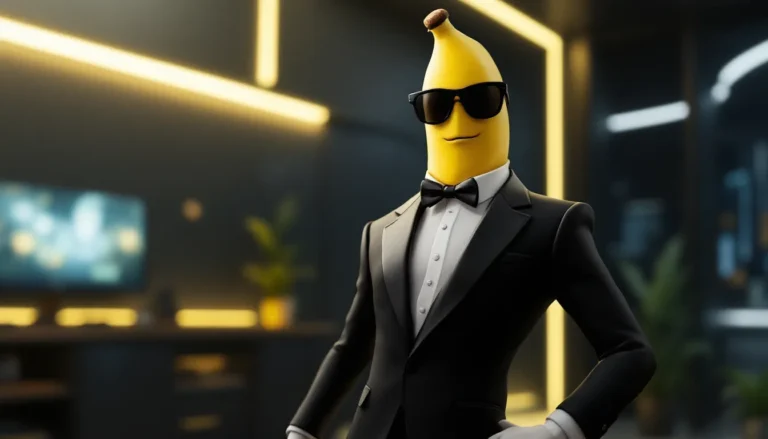
Absurd humor is currency in this space. The more unexpected or ridiculous the joke, the better it performs. “Fortnite feet pics” works because it sounds borderline inappropriate until you realize it’s completely harmless, just players being weird about a video game they love. It’s the same energy that turned Peely (a literal banana in a suit) into one of the game’s most beloved characters, or made the Fishstick skin a community icon even though being objectively goofy.
Games that take themselves too seriously don’t generate this kind of organic humor. Fortnite’s willingness to be colorful, chaotic, and occasionally ridiculous creates space for players to be equally creative with their jokes.
From TikTok to Reddit: Where the Jokes Spread
Social media algorithms love engagement, and memes deliver it. A funny Fortnite screenshot on TikTok can rack up millions of views overnight. Reddit’s r/FortNiteBR hosts daily meme threads where players share their best (and worst) creations. Twitter turns every new skin announcement into a meme competition within hours.
The “feet pics” joke specifically gained traction on Twitter and TikTok during early 2026, often appearing in threads about new skin releases. When Epic dropped the Cyberpunk Racer bundle in February, players immediately noticed the detailed sneaker designs and jokingly demanded screenshots. Content creators picked up on the trend, and within days, it had become another recurring bit in the Fortnite meme ecosystem.
Platforms like Polygon and Dexerto occasionally cover these trends, not because they’re newsworthy in a traditional sense, but because they illustrate how engaged and creative Fortnite’s community remains seven years after launch.
Popular Fortnite Skins and Character Models That Spark Memes
Iconic Skins With Unique Design Details
Not all skins get the meme treatment equally. Certain designs, whether because of their visual style, cultural relevance, or sheer oddness, become community favorites for content creation.
Chun-Li, from the Street Fighter collaboration, features incredibly detailed costume elements including her signature spiked bracelets and combat boots. Players noticed the footwear immediately, leading to a wave of screenshots and jokes. Harley Quinn, another crossover skin, has multiple style variants with distinct accessories that fans love to showcase.
Original Fortnite characters also get attention. Calamity, from Chapter 1, Season 6, remains a fan-favorite with progressive outfit stages and western-themed details. Jules, the engineer skin from Chapter 2, features industrial gear and unique tattoos that players still screenshot and share. These skins succeed because they balance visual interest with personality, they’re not just outfits, they’re characters.
More recent additions like Tsuki 2.0 and the Midnight Caper variant continue this tradition, offering layered designs that reward close inspection. When players spend $15-20 on a skin, they want to appreciate every detail Epic’s artists included. Sharing those details, even ironically, is part of the ownership experience.
How Collaborations Bring New Models and Meme Potential
Fortnite’s collaboration strategy in 2026 is more aggressive than ever. Marvel, DC, anime properties, musicians, athletes, if there’s cultural relevance, Epic wants it in Fortnite. Each collaboration introduces character models built to different artistic standards, which keeps the visual ecosystem fresh and gives meme creators new material.
The Dragon Ball Z skins brought anime aesthetics to the game with exaggerated proportions and vibrant colors. The Star Wars bounty hunter skins featured weathered armor and detailed accessories. When Spider-Man returned in a new variant during February 2026, players noticed the improved web-shooter textures and suit detail, spawning countless comparison screenshots.
These crossovers also attract fans from outside Fortnite’s core community, who bring their own meme traditions. When anime fans started playing Fortnite for the Dragon Ball skins, they imported anime meme culture. When Marvel fans jumped in, they brought superhero fandom energy. The result is a constantly evolving meme landscape that pulls from dozens of cultural sources, which players can explore further through cosmetic customization options.
The Technical Side: How Fortnite Character Models Are Built
Unreal Engine and Character Detail
Fortnite runs on Unreal Engine, Epic’s own game development platform. As the engine evolves, so does Fortnite’s visual fidelity. The upgrade to Unreal Engine 5.1 in Chapter 5 (late 2025) brought significant improvements to character rendering, including better texture resolution, improved lighting interactions, and more detailed geometry.
Character models in Fortnite are built with modular systems. A base body type serves as the foundation, then artists add clothing layers, accessories, and unique features. Each skin typically includes multiple texture maps: diffuse (color), normal (surface detail), metallic, and roughness. This allows even a simple outfit to have visual depth when light hits it from different angles.
The level of detail extends to areas most players won’t closely examine during actual gameplay. Boot treads, fabric weaves, accessory buckles, all modeled and textured. This isn’t wasted effort: it contributes to the overall visual quality that makes Fortnite feel premium even though being free-to-play. But it also means that when someone does zoom in, there’s genuine craftsmanship to appreciate (or meme about).
Why Some Character Features Get Exaggerated Attention
From a technical perspective, feet and hands are notoriously difficult to model and animate correctly. They’re complex structures with lots of moving parts, and they need to interact convincingly with terrain and objects. Epic’s character artists have clearly put work into making sure these elements look good, which ironically makes them stand out when players inspect them closely.
Another factor: Fortnite’s art style sits between realistic and stylized. It’s not photorealistic like The Last of Us, but it’s not fully cartoony like Overwatch either. This middle ground means certain features, facial expressions, hand gestures, footwear design, can look surprisingly detailed while maintaining the game’s characteristic visual energy.
Players who understand game development appreciate this work. Those familiar with Unreal Engine’s capabilities recognize the technical achievement of maintaining visual quality across 100+ player matches while supporting cross-platform play. The memes, in a weird way, are acknowledgment of Epic’s technical execution.
Community Reactions and Social Media Impact
How Streamers and Content Creators Amplify the Trend
Streamers are tastemakers in the Fortnite ecosystem. When someone like SypherPK, Typical Gamer, or SSSniperWolf jokes about a trend, millions of viewers see it. The “feet pics” meme reached critical mass partly because content creators treated it as the absurd joke it is, creating thumbnail images and video segments that played into the humor.
Twitch and YouTube creators constantly need fresh content angles. Memes provide that. A streamer might spend a segment of their broadcast showcasing obscure skin details, using replay mode to create ridiculous screenshots, or reacting to fan submissions. This content performs well because it’s participatory, viewers send in their own screenshots, and the community builds the joke together.
TikTok creators approach it differently, often creating quick cuts between gameplay footage and zoomed-in character details, usually set to trending audio. These videos rack up views because they’re unexpected and play on the platform’s love of absurdist humor. The format is easily replicable, so trends spread quickly.
Fan Art, Edits, and the Creative Community Response
Beyond screenshots, the creative community produces art, 3D renders, and edited content based on Fortnite’s character models. Artists on Twitter and Instagram regularly share detailed illustrations of favorite skins, often exaggerating or reinterpreting design elements for comic or aesthetic effect.
Some fan artists lean into the meme directly, creating exaggerated or humorous takes on character designs. Others produce serious artistic work that happens to include details the original models featured. The “Fortnite Fashion Show” community, which hosts in-game events where players showcase skin combinations, treats character customization as a legitimate form of creative expression.
Editors use tools like Photoshop and Blender to create custom renders or mashups. When Epic released a new collaboration skin variant, artists immediately started creating custom versions, alternate color schemes, and concept art for imagined styles. This creative output keeps the community engaged between seasons and gives Epic valuable feedback on what designs resonate.
What This Says About Gaming Culture and Player Engagement
Humor as a Form of Community Bonding
Gaming communities bond through shared experiences: memorable matches, inside jokes, and yes, memes. The “feet pics” phenomenon is harmless fun that signals membership in a community fluent in both Fortnite and internet culture. When someone makes the joke, they’re not being creepy: they’re participating in a running bit that acknowledges the absurdity of modern online gaming culture.
This type of humor also diffuses potential toxicity. Communities that can laugh at themselves tend to be more welcoming and less prone to the aggressive negativity that plagues some competitive games. Fortnite has its toxic elements, but the broader culture tends toward playful creativity rather than gatekeeping hostility.
The meme also creates common ground across different player types. Competitive players, creative mode builders, casual Battle Royale fans, and skin collectors can all participate. It’s accessible humor that doesn’t require high skill or specific game knowledge, just awareness of the joke and willingness to be silly.
The Balance Between Fun and Appropriate Content
Epic Games has maintained Fortnite as a largely family-friendly environment, and the community generally respects those boundaries. The “feet pics” meme stays firmly in joke territory because it’s so obviously absurd that it never crosses into genuinely inappropriate content.
This self-regulation is important. Communities that can’t distinguish between harmless jokes and actual problematic behavior tend to attract negative attention and potential moderation. Fortnite’s playerbase, even though its reputation for being young, has mostly maintained this balance. Platforms like Reddit’s r/FortNiteBR have moderation policies that remove genuinely inappropriate content while allowing memes and jokes to flourish.
The trend also highlights how modern game communities engage with content. Players don’t just consume games, they remix, reinterpret, and create new meaning from every element. Character customization isn’t just about looking cool in matches: it’s fuel for content creation, social media engagement, and community identity. When players share creative customization combinations, they’re participating in a larger cultural conversation that extends far beyond the game itself.
Conclusion
The “Fortnite feet pics” phenomenon perfectly encapsulates modern gaming culture in 2026: absurdist, creative, and deeply engaged with both the game and the internet at large. What started as a layered internet joke became another way for Fortnite’s community to celebrate the game’s detailed character design, meme culture, and the creative freedom Epic provides through its cosmetic systems.
It’s a reminder that gaming communities will find humor and connection in unexpected places. Epic Games builds incredibly detailed character models using cutting-edge technology, and players respond by zooming in, taking screenshots, and making jokes. Both the craftsmanship and the comedy matter, they’re two sides of the same engagement coin.
As Fortnite continues evolving through Chapter 5 and beyond, bringing new collaborations, skins, and customization options, the community will keep finding creative ways to engage with that content. Whether it’s serious fan art, competitive gameplay analysis, or ridiculous memes about character model details, the playerbase remains one of the most active and creative in gaming. The jokes might change, but the underlying energy, playful, absurd, and deeply invested, will keep driving Fortnite’s cultural presence for years to come.