






When you think of Call of Duty, images of intense battles and strategic warfare might come to mind. But lurking in the shadows of this popular franchise is a potent symbol, the skull. This little icon isn’t just a decoration: it’s a beacon for gamers. If you’ve ever wondered why the skull has such a prominent place in the Call of Duty universe, you’re in for a treat. Strap on your headset and grab a controller, because we’re diving into the multifaceted world of the Call of Duty skull, a symbol with a heritage that’s as rich and layered as your favorite game mode.
Understanding The Symbolism Of The Skull
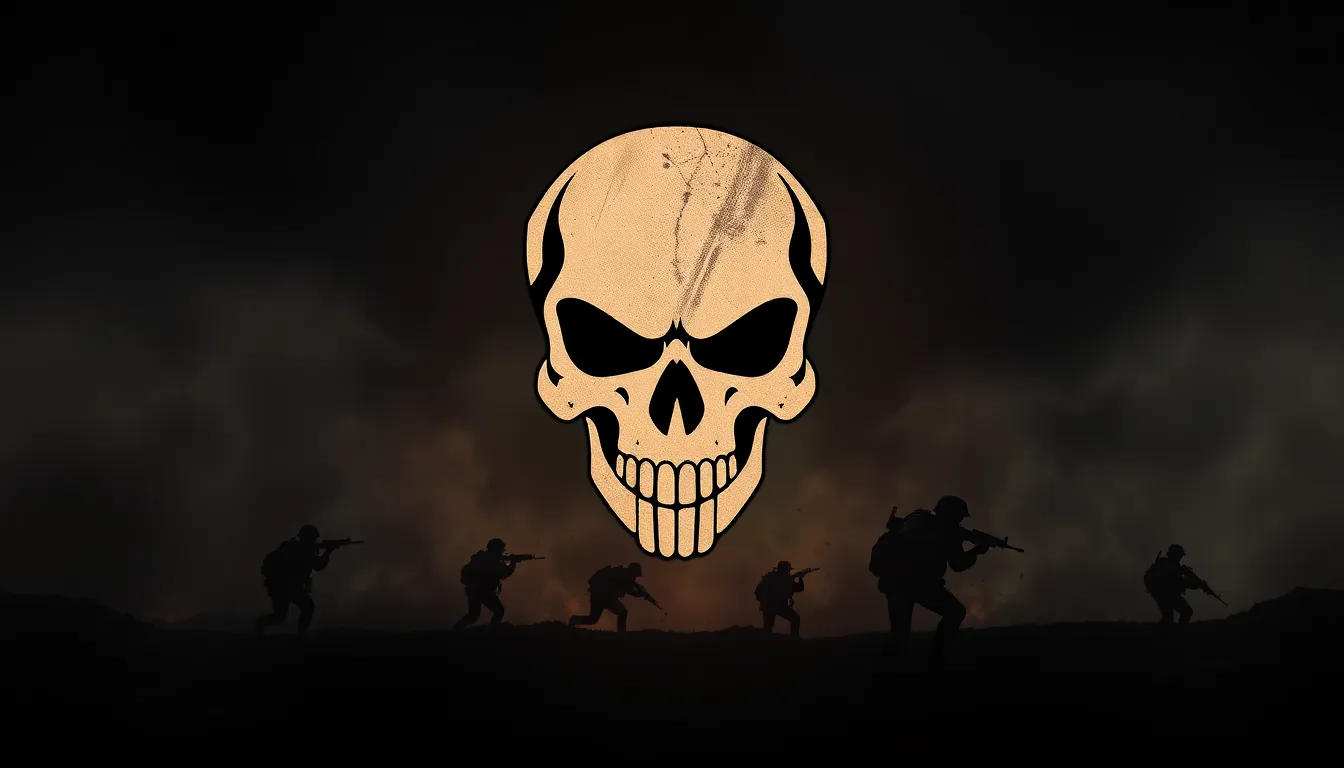
The skull has a long-standing presence in various forms of art and culture, symbolizing both death and the eternal cycle of life. In gaming, and particularly in series like Call of Duty, the skull represents a gritty reality of warfare. It serves as a reminder of mortality and the stakes involved in battle. This duality, celebrating the thrill of the game while acknowledging the grave implications of combat, is what makes the skull such a potent symbol. Gamers often find it empowering, a symbol of defiance against the odds. It boldly proclaims that this player is ready for anything, even death itself. With its striking appearance, the skull resonates deeply, making it a constant in the Call of Duty aesthetic.
Historical Context of Skulls in Gaming
The representation of skulls in gaming dates back decades, long before Call of Duty took center stage. In early arcade games, skulls were frequently used as enemies or obstacles, often emblematic of danger or death. Titles across various genres have utilized the skull motif to signify challenges and grave consequences for players who dare to tread too far. Fast forward to contemporary gaming, where darker themes have become more integrated into narratives. The skull has emerged as a symbol of rebellion against traditional heroism, representing a grittier, more realistic portrayal of conflict. This allows games like Call of Duty to investigate into mature themes, making the symbol not just decorative, but deeply meaningful in conveying the harsh realities of war.
Skulls In Call Of Duty Games
In the Call of Duty series, skulls are not merely ornamentation but serve as integral parts of gameplay and storytelling. They appear in various incarnations, from enemy insignias in multiplayer modes to collectible items in campaign missions. The skull’s significance can be felt in modes like Zombies, where it often signals danger or represents the player’s life count. Each skull design adds layers to its meaning, whether it’s representing an enemy faction or a symbol of victory for the player. The iconic skull emblem has even become synonymous with the franchise itself, leading many to see it as a badge of honor. Walking into battle adorned with a skull insignia? That’s a statement of gameplay prowess.
The Role Of The Skull In Call Of Duty Merchandise
The Call of Duty skull has transcended the screen, finding its way into a plethora of merchandise. From t-shirts and hoodies to posters and action figures, the skull emblem is immensely popular among fans. It’s more than just a logo, it’s a cultural artifact for gamers. When players wear or display skull-themed merchandise, they’re not just showcasing their favorite game: they’re wearing a badge of belonging to a community that embraces the challenges and camaraderie of gaming. Exclusive merchandise often features intricate skull designs, becoming coveted items during launches and events. This blend of art and commerce ensures that the skull remains a vital part of the Call of Duty identity.
Fan Culture and The Significance Of The Skull
The Call of Duty skull has forged a strong connection with fans, becoming a symbol of community and shared experience. For many gamers, the skull represents hours of gameplay, camaraderie during intense multiplayer matches, and countless discussions strategizing with fellow players. Online forums and social media are rife with fan art and discussions that revolve around the skull, often elevating its status beyond mere imagery to a symbol of loyalty and identity within the Call of Duty universe. Fans often rally around the skull, turning it into a point of pride that signifies not just membership in a gaming community but also a shared understanding of the game’s deeper themes. This sense of belonging solidifies the skull’s importance in both individual and collective experiences.